 Image 1 of 1
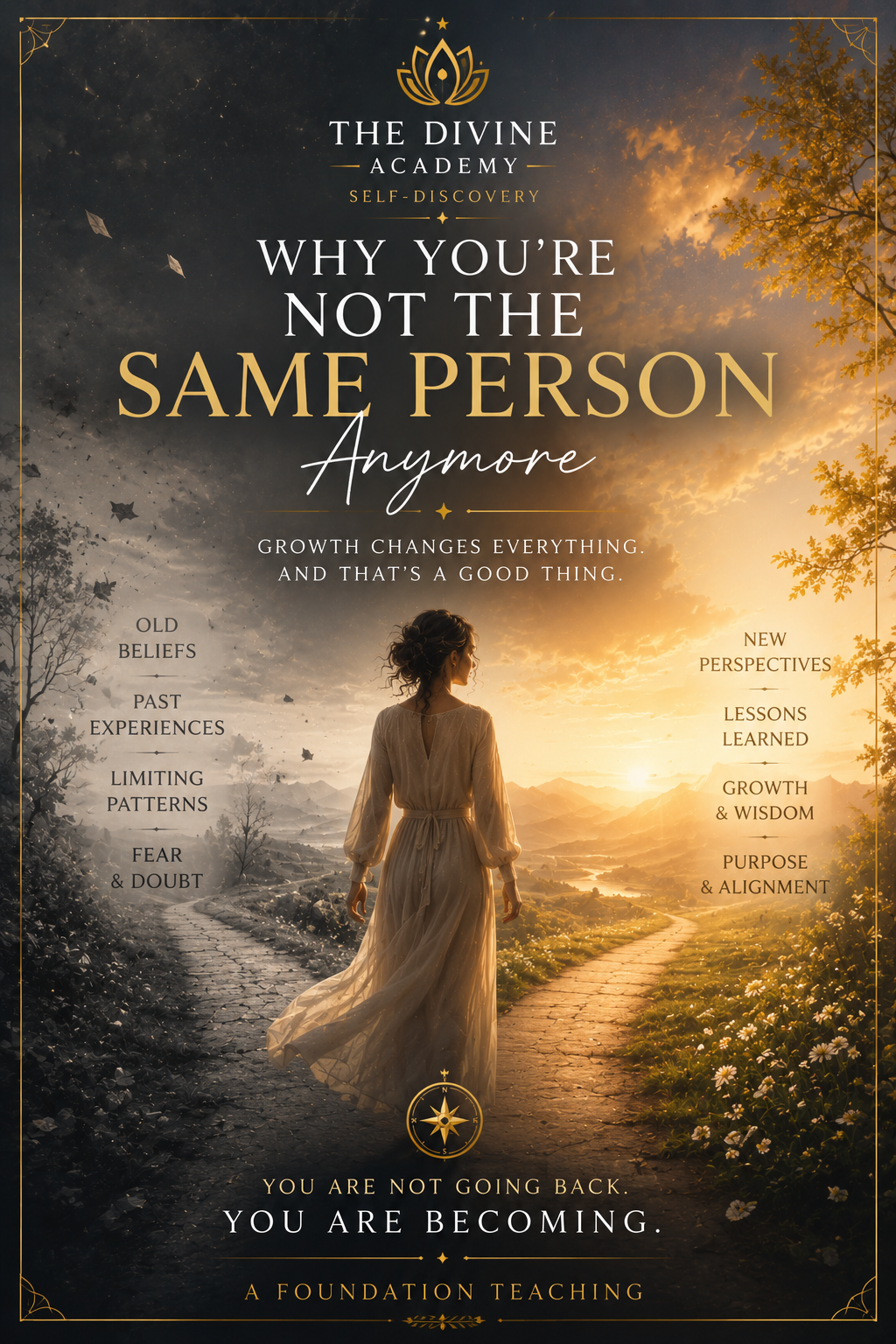
Growth doesn't just change who you are—it can also change how you relate to the people and world around you.
Personal growth is often celebrated for the confidence, wisdom, and transformation it brings.
What isn't talked about as often is that growth can also feel lonely.
As you evolve, you may notice your interests changing. Conversations that once energized you no longer hold your attention. Certain relationships begin to shift, and familiar environments may no longer feel like they fit.
These experiences can leave you wondering whether something is wrong.
In reality, loneliness during periods of growth is often less about being alone and more about adjusting to a new version of yourself while your life catches up.
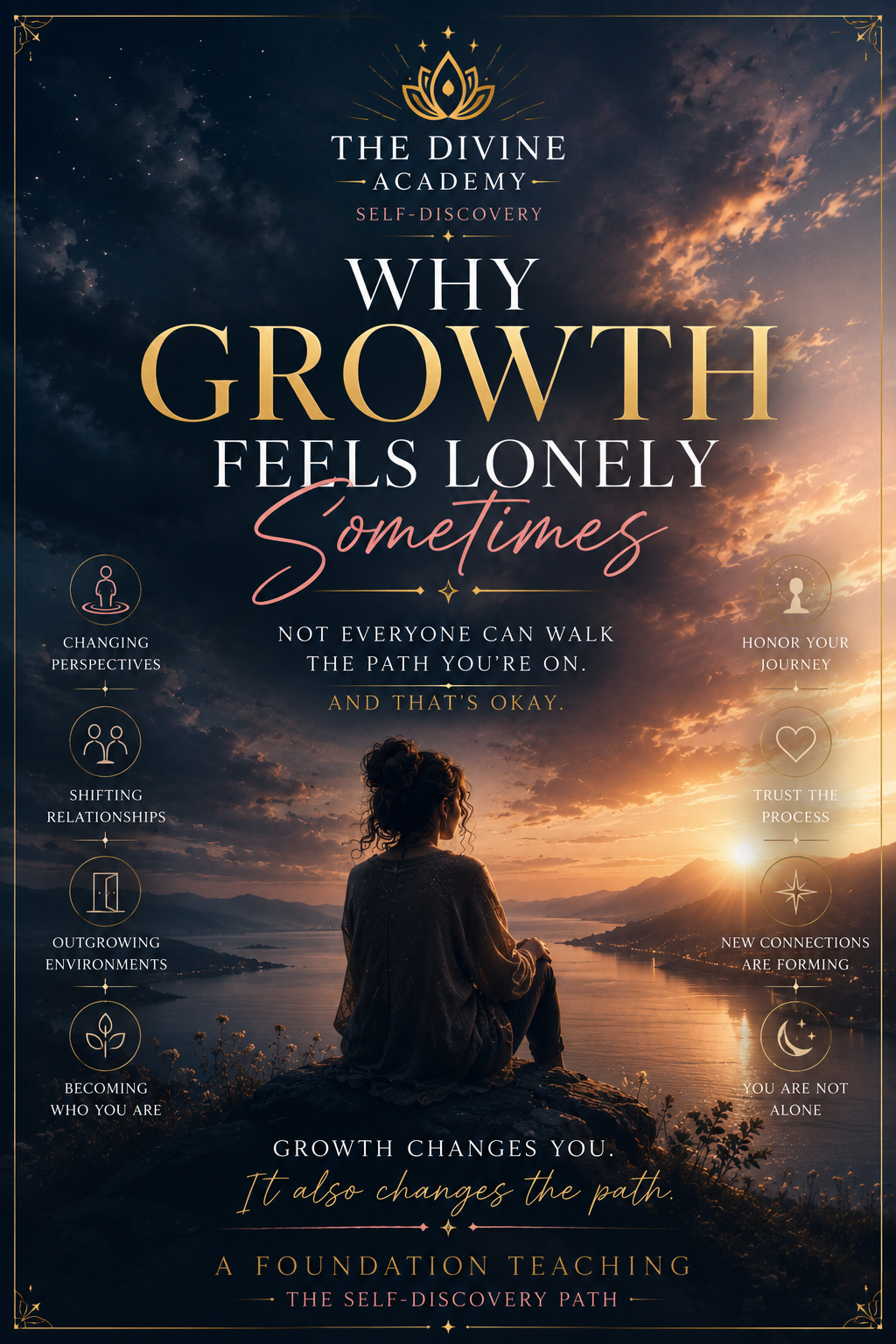
This Foundation Teaching explores why growth can sometimes feel isolating, how change influences your relationships and sense of belonging, and how to navigate these seasons with greater understanding and compassion.
What You'll Learn
Inside this Foundation Teaching, you'll discover:
Why personal growth can affect your sense of belonging
How changing perspectives influence relationships
The difference between being alone and feeling lonely
Why relationships naturally evolve over time
How life transitions can create temporary feelings of isolation
Common misconceptions about loneliness during growth
How awareness can help you move through these seasons with greater confidence
At a Glance
Learning Path: Self-Discovery
Resource Type: Foundation Teaching
Level: Beginner
Read Time: 3–8 minutes
Length: 6 pages
Format: Digital PDF
Who This Teaching Is For
This teaching is for anyone who has ever wondered:
"Why do I feel so alone lately?"
"Why don't I connect with people the way I used to?"
"Why are some of my relationships changing?"
"Is something wrong with me?"
"Will I ever feel like I belong again?"
Whether you're navigating a major life transition, experiencing personal growth, or simply noticing that your relationships and surroundings feel different, this teaching offers a reassuring perspective on one of the most common parts of self-discovery.
Why This Matters
Growth doesn't happen in isolation.
As you change internally, your external world often changes too.
Your interests evolve. Your priorities shift. The ways you connect with others may begin to look different than they once did.
These transitions can create periods where you feel disconnected—not because you've failed, but because you're adjusting to a new season of life.
Understanding this can help you replace self-doubt with self-awareness.
Rather than interpreting loneliness as a sign that something is wrong, you can begin to see it as an invitation to build relationships, environments, and experiences that reflect the person you're becoming.
Growth may change your path, but it also creates opportunities for deeper, more meaningful connections.
Growth doesn't just change who you are—it can also change how you relate to the people and world around you.
Personal growth is often celebrated for the confidence, wisdom, and transformation it brings.
What isn't talked about as often is that growth can also feel lonely.
As you evolve, you may notice your interests changing. Conversations that once energized you no longer hold your attention. Certain relationships begin to shift, and familiar environments may no longer feel like they fit.
These experiences can leave you wondering whether something is wrong.
In reality, loneliness during periods of growth is often less about being alone and more about adjusting to a new version of yourself while your life catches up.
This Foundation Teaching explores why growth can sometimes feel isolating, how change influences your relationships and sense of belonging, and how to navigate these seasons with greater understanding and compassion.
What You'll Learn
Inside this Foundation Teaching, you'll discover:
Why personal growth can affect your sense of belonging
How changing perspectives influence relationships
The difference between being alone and feeling lonely
Why relationships naturally evolve over time
How life transitions can create temporary feelings of isolation
Common misconceptions about loneliness during growth
How awareness can help you move through these seasons with greater confidence
At a Glance
Learning Path: Self-Discovery
Resource Type: Foundation Teaching
Level: Beginner
Read Time: 3–8 minutes
Length: 6 pages
Format: Digital PDF
Who This Teaching Is For
This teaching is for anyone who has ever wondered:
"Why do I feel so alone lately?"
"Why don't I connect with people the way I used to?"
"Why are some of my relationships changing?"
"Is something wrong with me?"
"Will I ever feel like I belong again?"
Whether you're navigating a major life transition, experiencing personal growth, or simply noticing that your relationships and surroundings feel different, this teaching offers a reassuring perspective on one of the most common parts of self-discovery.
Why This Matters
Growth doesn't happen in isolation.
As you change internally, your external world often changes too.
Your interests evolve. Your priorities shift. The ways you connect with others may begin to look different than they once did.
These transitions can create periods where you feel disconnected—not because you've failed, but because you're adjusting to a new season of life.
Understanding this can help you replace self-doubt with self-awareness.
Rather than interpreting loneliness as a sign that something is wrong, you can begin to see it as an invitation to build relationships, environments, and experiences that reflect the person you're becoming.
Growth may change your path, but it also creates opportunities for deeper, more meaningful connections.