 Image 1 of 1
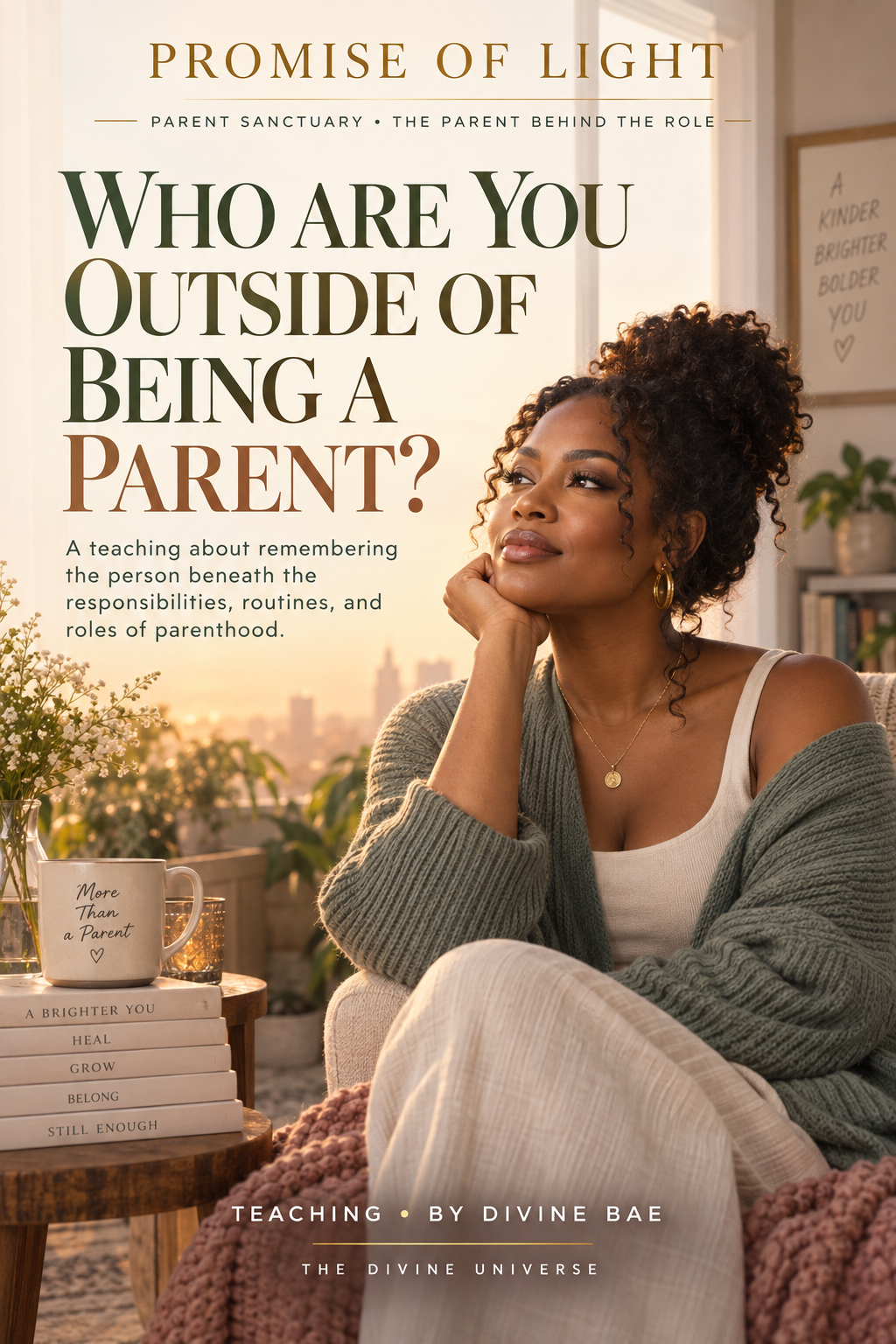
A reflective teaching to help you reconnect with the person beneath the responsibilities, routines, and roles of parenthood.
You know what your child needs. You remember the appointments, manage the routines, handle the responsibilities, and keep track of what everyone else has going on—but when someone asks what you enjoy, need, or want, you may struggle to answer.
You can love being a parent and still miss the person you were before so much of your life became centered around caring for others.
Who Are You Outside of Being a Parent? was created to help you recognize the person behind the role—not by separating you from parenthood, but by reminding you that being a devoted parent and remaining connected to yourself can exist together.
This teaching will help you:
Understand how the parent role can gradually consume your personal identity
Recognize signs that you may have lost touch with yourself
Separate who you are from everything you manage and provide
Explore the guilt that can arise when you want something for yourself
Notice which parts of you have changed, been neglected, or are beginning to emerge
Begin reconnecting with yourself through small, honest choices
This teaching explores how parenthood can gradually become your entire identity, especially when most of your time and energy are spent meeting other people’s needs. It helps you recognize signs that you may have lost touch with your interests, needs, goals, and sense of self.
You’ll examine the difference between your parenting identity and your personal identity, the guilt that can come with wanting something for yourself, and why self-neglect is not proof of love. You’ll also explore what reconnecting with yourself can look like through a relatable scenario, reflection questions, and small ways to begin noticing the person behind the role again.
What still feels like you
What you have genuinely outgrown
What you have neglected rather than outgrown
What you want beyond your responsibilities
What makes you feel energized, peaceful, curious, or inspired
What you want your child to learn from the way you treat yourself
One part of yourself you are ready to make room for again
You love your child but sometimes miss who you used to be
You struggle to name what you enjoy outside of parenting
Your needs automatically come after everyone else’s
You feel guilty resting, spending time alone, or wanting something for yourself
Most of your identity is connected to what you manage, provide, or sacrifice
You want to reconnect with yourself without feeling as though you are neglecting your family
Format: Digital Teaching
Length: 15 pages
Delivery: Digital
Access: Downloadable PDF
TDU Branch: Promise of Light
Room: Parent Sanctuary
Focus Area: The Parent Behind the Role
This resource is intended for educational and reflective purposes. It does not provide mental-health diagnosis, therapy, or individualized professional care.
A reflective teaching to help you reconnect with the person beneath the responsibilities, routines, and roles of parenthood.
You know what your child needs. You remember the appointments, manage the routines, handle the responsibilities, and keep track of what everyone else has going on—but when someone asks what you enjoy, need, or want, you may struggle to answer.
You can love being a parent and still miss the person you were before so much of your life became centered around caring for others.
Who Are You Outside of Being a Parent? was created to help you recognize the person behind the role—not by separating you from parenthood, but by reminding you that being a devoted parent and remaining connected to yourself can exist together.
This teaching will help you:
Understand how the parent role can gradually consume your personal identity
Recognize signs that you may have lost touch with yourself
Separate who you are from everything you manage and provide
Explore the guilt that can arise when you want something for yourself
Notice which parts of you have changed, been neglected, or are beginning to emerge
Begin reconnecting with yourself through small, honest choices
This teaching explores how parenthood can gradually become your entire identity, especially when most of your time and energy are spent meeting other people’s needs. It helps you recognize signs that you may have lost touch with your interests, needs, goals, and sense of self.
You’ll examine the difference between your parenting identity and your personal identity, the guilt that can come with wanting something for yourself, and why self-neglect is not proof of love. You’ll also explore what reconnecting with yourself can look like through a relatable scenario, reflection questions, and small ways to begin noticing the person behind the role again.
What still feels like you
What you have genuinely outgrown
What you have neglected rather than outgrown
What you want beyond your responsibilities
What makes you feel energized, peaceful, curious, or inspired
What you want your child to learn from the way you treat yourself
One part of yourself you are ready to make room for again
You love your child but sometimes miss who you used to be
You struggle to name what you enjoy outside of parenting
Your needs automatically come after everyone else’s
You feel guilty resting, spending time alone, or wanting something for yourself
Most of your identity is connected to what you manage, provide, or sacrifice
You want to reconnect with yourself without feeling as though you are neglecting your family
Format: Digital Teaching
Length: 15 pages
Delivery: Digital
Access: Downloadable PDF
TDU Branch: Promise of Light
Room: Parent Sanctuary
Focus Area: The Parent Behind the Role
This resource is intended for educational and reflective purposes. It does not provide mental-health diagnosis, therapy, or individualized professional care.