 Image 1 of 1
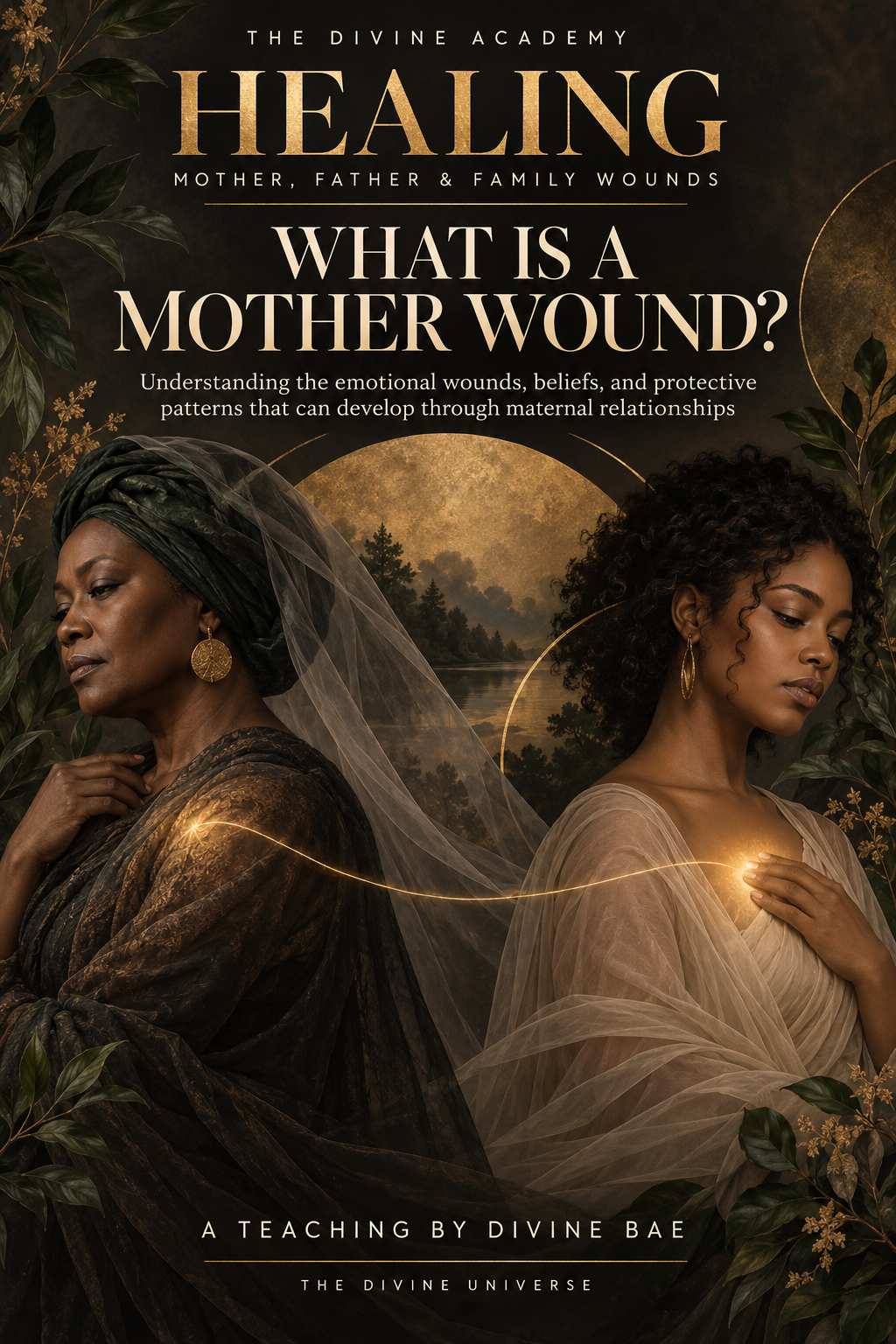
Understand the emotional wounds, beliefs, and protective patterns that can develop through maternal relationships.
A relationship with a mother or maternal caregiver can hold love, sacrifice, disappointment, closeness, distance, and pain at the same time.
You may feel guilty acknowledging what you needed because your mother also cared for you. You may understand what she experienced while still carrying beliefs that your needs were too much, love had to be earned, or other people’s emotions were your responsibility.
What Is a Mother Wound? offers a focused introduction to how maternal experiences can influence your relationship with care, approval, emotional expression, boundaries, and self-trust—without reducing your mother or your entire relationship to one label.
Through this teaching, you will be able to:
Understand what the term mother wound means
Recognize how a maternal relationship may create an ongoing emotional belief or protective pattern
Explore how love and wounding can coexist
Identify messages a child may learn about needs, approval, responsibility, and acceptance
Notice how maternal patterns may continue into adulthood
Recognize behaviors such as overgiving, self-silencing, guilt, and emotional monitoring
Acknowledge the effect of a relationship without demonizing the mother
Begin questioning the rules you learned to follow for love and belonging
This 12-page Teaching explains what a mother wound is, how it may form, and why it can exist even when love was present. It explores how criticism, emotional absence, inconsistency, control, comparison, role reversal, or conditional affection may shape a child’s beliefs about themselves and relationships.
You’ll also examine how those beliefs may appear in adulthood and complete a Mother Wound Awareness Check-In designed to help you identify what you needed, what you learned to do for protection or belonging, and how that pattern may still affect you today.
Focused self-awareness questions
Common mother-wound beliefs
Relatable everyday examples
A Mother Wound Awareness Check-In
A final healing reflection
You feel guilty for prioritizing your own needs
You struggle to receive care without earning or repaying it
You depend on approval before trusting your decisions
You feel responsible for other people’s emotions
You hide difficult feelings to avoid being seen as ungrateful or demanding
You carry unresolved pain, anger, grief, longing, or confusion connected to your mother
You want to acknowledge what affected you without reducing your mother to a villain
Format: Digital Teaching
Length: 12 pages
Delivery: Digital download
Access: PDF
TDU Branch: The Divine Academy
Area: Healing
Focus: Mother, Father & Family Wounds
This resource is intended for educational and self-reflective purposes. It does not diagnose trauma, attachment disorders, or mental-health conditions, and it is not a substitute for professional support.
This Teaching cannot determine whether you should forgive, reconcile, confront, create distance, or end contact. Those decisions depend on your circumstances, safety, well-being, and personal judgment.
Understand the emotional wounds, beliefs, and protective patterns that can develop through maternal relationships.
A relationship with a mother or maternal caregiver can hold love, sacrifice, disappointment, closeness, distance, and pain at the same time.
You may feel guilty acknowledging what you needed because your mother also cared for you. You may understand what she experienced while still carrying beliefs that your needs were too much, love had to be earned, or other people’s emotions were your responsibility.
What Is a Mother Wound? offers a focused introduction to how maternal experiences can influence your relationship with care, approval, emotional expression, boundaries, and self-trust—without reducing your mother or your entire relationship to one label.
Through this teaching, you will be able to:
Understand what the term mother wound means
Recognize how a maternal relationship may create an ongoing emotional belief or protective pattern
Explore how love and wounding can coexist
Identify messages a child may learn about needs, approval, responsibility, and acceptance
Notice how maternal patterns may continue into adulthood
Recognize behaviors such as overgiving, self-silencing, guilt, and emotional monitoring
Acknowledge the effect of a relationship without demonizing the mother
Begin questioning the rules you learned to follow for love and belonging
This 12-page Teaching explains what a mother wound is, how it may form, and why it can exist even when love was present. It explores how criticism, emotional absence, inconsistency, control, comparison, role reversal, or conditional affection may shape a child’s beliefs about themselves and relationships.
You’ll also examine how those beliefs may appear in adulthood and complete a Mother Wound Awareness Check-In designed to help you identify what you needed, what you learned to do for protection or belonging, and how that pattern may still affect you today.
Focused self-awareness questions
Common mother-wound beliefs
Relatable everyday examples
A Mother Wound Awareness Check-In
A final healing reflection
You feel guilty for prioritizing your own needs
You struggle to receive care without earning or repaying it
You depend on approval before trusting your decisions
You feel responsible for other people’s emotions
You hide difficult feelings to avoid being seen as ungrateful or demanding
You carry unresolved pain, anger, grief, longing, or confusion connected to your mother
You want to acknowledge what affected you without reducing your mother to a villain
Format: Digital Teaching
Length: 12 pages
Delivery: Digital download
Access: PDF
TDU Branch: The Divine Academy
Area: Healing
Focus: Mother, Father & Family Wounds
This resource is intended for educational and self-reflective purposes. It does not diagnose trauma, attachment disorders, or mental-health conditions, and it is not a substitute for professional support.
This Teaching cannot determine whether you should forgive, reconcile, confront, create distance, or end contact. Those decisions depend on your circumstances, safety, well-being, and personal judgment.