 Image 1 of 1
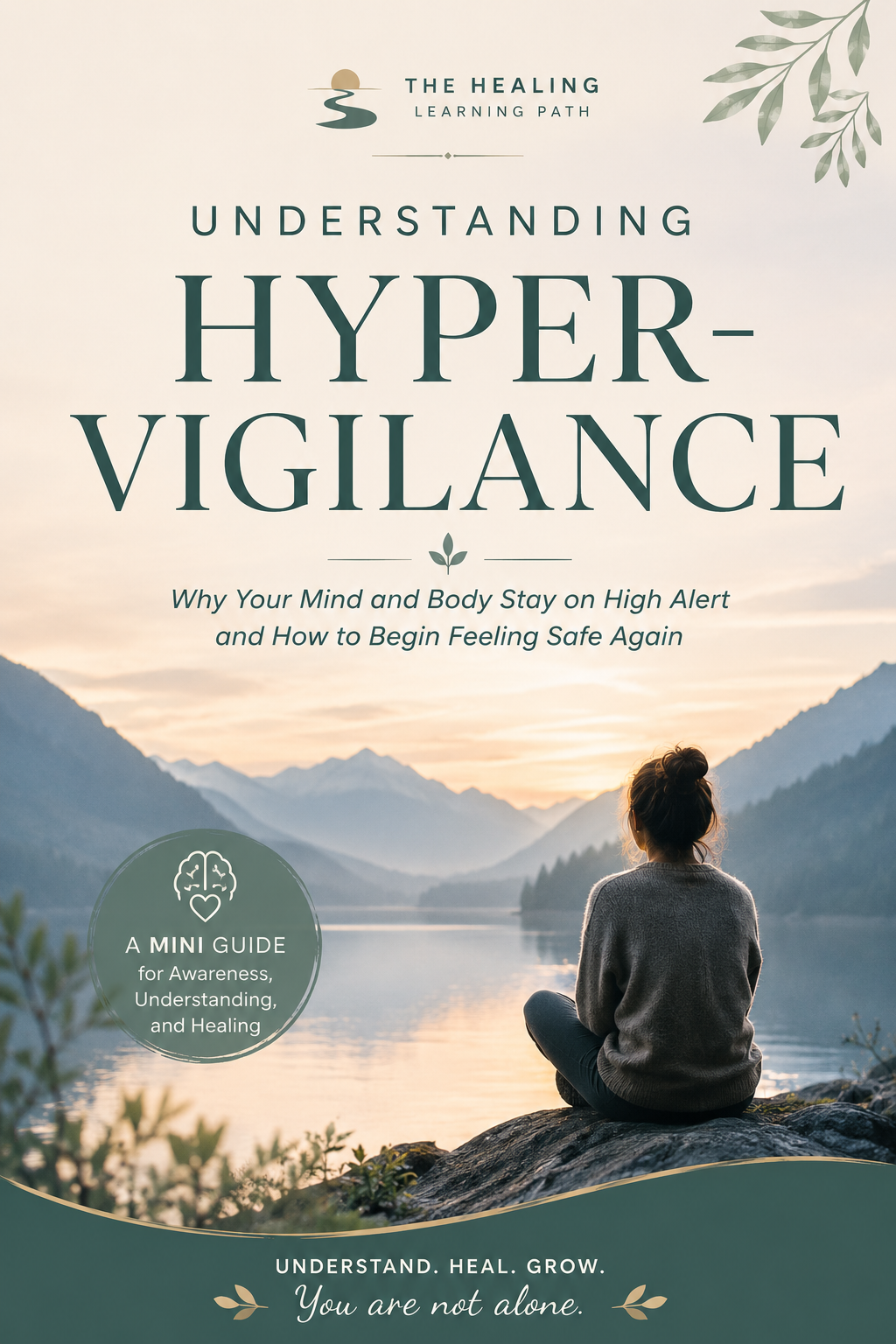
Why Your Mind and Body Stay on High Alert and How to Begin Feeling Safe Again
Do you find it difficult to fully relax, even when nothing appears to be wrong?
You may notice yourself constantly scanning your surroundings, anticipating problems, overthinking changes in someone's tone, or feeling uneasy during moments of calm. Over time, living in this state can become so familiar that it feels like part of your personality.
Understanding Hyper-Vigilance explores what happens when the brain and nervous system remain focused on detecting possible threats. Rather than treating hyper-vigilance as a flaw, this guide helps you understand it as a learned protective response that may develop through stress, instability, difficult experiences, or environments where feeling alert once seemed necessary.
Through clear explanations, relatable examples, guided reflection, and practical next steps, this guide helps you recognize how hyper-vigilance may influence your thoughts, emotions, relationships, decisions, and ability to rest.
It offers a compassionate starting point for understanding why your mind and body may struggle to feel safe—and how awareness can support a gradual shift from constant protection toward greater balance.
Inside This Guide
Inside, you will explore:
The foundations of hyper-vigilance
Why the brain and nervous system remain on high alert
How survival responses can become ongoing patterns
The difference between healthy awareness and hyper-vigilance
Common signs of constant mental and physical alertness
How hyper-vigilance can affect relationships and daily life
Relatable examples that place the topic into perspective
Reflection questions to help identify personal patterns
Practical next steps for creating greater awareness and safety
This Guide Is for You If...
This guide is for anyone who feels constantly alert, finds it difficult to relax, regularly anticipates worst-case scenarios, or feels responsible for noticing and preventing every possible problem. It may also support those who overanalyze conversations, closely monitor other people's moods, struggle to trust peaceful moments, or feel exhausted from always being prepared for something to go wrong.
Whether these patterns are connected to past experiences, prolonged stress, or a desire to better understand yourself, this guide offers an accessible introduction to why hyper-vigilance develops and how it can shape everyday life.
Why It Matters
Living in a constant state of alertness can affect more than your ability to relax.
It can influence how you interpret situations, connect with others, make decisions, respond to uncertainty, and experience moments that are meant to feel safe. When the nervous system remains focused on possible danger, ordinary situations may begin to feel more threatening, emotionally demanding, or difficult to trust.
Understanding hyper-vigilance can help you recognize that these patterns are not signs of weakness or failure. They are often protective responses shaped by experience.
That awareness creates space for greater self-compassion, healthier responses, stronger emotional boundaries, and a more balanced relationship with safety, trust, and rest.
Guide Information
Learning Path: Healing
Format: Digital Mini Guide
Length: 26 Pages
Why Your Mind and Body Stay on High Alert and How to Begin Feeling Safe Again
Do you find it difficult to fully relax, even when nothing appears to be wrong?
You may notice yourself constantly scanning your surroundings, anticipating problems, overthinking changes in someone's tone, or feeling uneasy during moments of calm. Over time, living in this state can become so familiar that it feels like part of your personality.
Understanding Hyper-Vigilance explores what happens when the brain and nervous system remain focused on detecting possible threats. Rather than treating hyper-vigilance as a flaw, this guide helps you understand it as a learned protective response that may develop through stress, instability, difficult experiences, or environments where feeling alert once seemed necessary.
Through clear explanations, relatable examples, guided reflection, and practical next steps, this guide helps you recognize how hyper-vigilance may influence your thoughts, emotions, relationships, decisions, and ability to rest.
It offers a compassionate starting point for understanding why your mind and body may struggle to feel safe—and how awareness can support a gradual shift from constant protection toward greater balance.
Inside This Guide
Inside, you will explore:
The foundations of hyper-vigilance
Why the brain and nervous system remain on high alert
How survival responses can become ongoing patterns
The difference between healthy awareness and hyper-vigilance
Common signs of constant mental and physical alertness
How hyper-vigilance can affect relationships and daily life
Relatable examples that place the topic into perspective
Reflection questions to help identify personal patterns
Practical next steps for creating greater awareness and safety
This Guide Is for You If...
This guide is for anyone who feels constantly alert, finds it difficult to relax, regularly anticipates worst-case scenarios, or feels responsible for noticing and preventing every possible problem. It may also support those who overanalyze conversations, closely monitor other people's moods, struggle to trust peaceful moments, or feel exhausted from always being prepared for something to go wrong.
Whether these patterns are connected to past experiences, prolonged stress, or a desire to better understand yourself, this guide offers an accessible introduction to why hyper-vigilance develops and how it can shape everyday life.
Why It Matters
Living in a constant state of alertness can affect more than your ability to relax.
It can influence how you interpret situations, connect with others, make decisions, respond to uncertainty, and experience moments that are meant to feel safe. When the nervous system remains focused on possible danger, ordinary situations may begin to feel more threatening, emotionally demanding, or difficult to trust.
Understanding hyper-vigilance can help you recognize that these patterns are not signs of weakness or failure. They are often protective responses shaped by experience.
That awareness creates space for greater self-compassion, healthier responses, stronger emotional boundaries, and a more balanced relationship with safety, trust, and rest.
Guide Information
Learning Path: Healing
Format: Digital Mini Guide
Length: 26 Pages