 Image 1 of 1
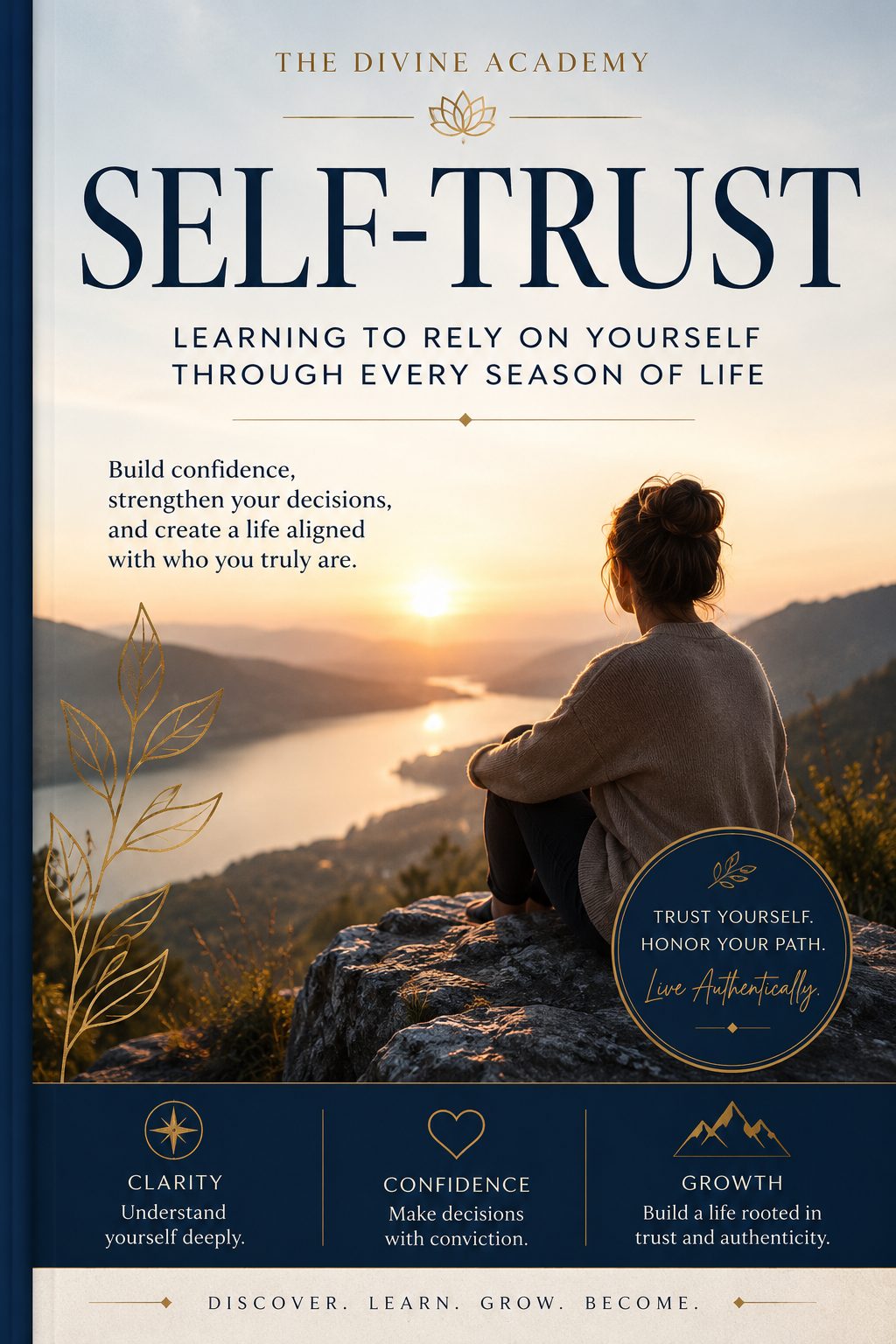
Learning to Rely on Yourself Through Every Season of Life
Self-trust is not about always knowing the right answer. It is about knowing you can rely on yourself, even when life feels uncertain.
Building Self-Trust is a focused educational guide that explores why people begin doubting themselves, how self-trust becomes weakened, and what it takes to rebuild a dependable relationship with yourself.
Through clear explanations, practical examples, reflective questions, and realistic next steps, this guide will help you understand your patterns, reconnect with your inner voice, and begin making decisions with greater confidence and self-respect.
About This Guide
You may know what you feel but immediately question it.
You may ask other people what they think before considering your own perspective.
You may struggle to make decisions, honor your boundaries, or follow through on promises you make to yourself.
These experiences do not mean you are incapable of trusting yourself. They often mean that your relationship with yourself needs to be rebuilt.
This guide helps you understand self-trust as a relationship developed through honesty, consistency, reflection, and action. It explores the everyday choices that strengthen that relationship and the patterns that quietly weaken it.
The goal is not to eliminate every moment of doubt.
The goal is to become someone you know you can depend on.
Inside the Guide
You will explore:
What self-trust really means
Why self-trust matters in everyday life
The difference between confidence and self-trust
How self-trust is developed over time
Common experiences that weaken trust in yourself
Signs that you may be disconnected from your own judgment
Why mistakes do not make you untrustworthy
The difference between fear and intuition
How self-trust appears in boundaries, relationships, decisions, and personal commitments
Reflection questions for understanding your current patterns
Practical steps for rebuilding trust through small, consistent actions
This Guide May Be for You If You:
Constantly second-guess your decisions
Depend heavily on reassurance or approval
Struggle to hear your own voice beneath other people’s opinions
Feel guilty when setting boundaries
Ignore your instincts and later regret it
Have difficulty keeping promises to yourself
Fear making the wrong decision
Want to reconnect with your values, needs, and inner guidance
Are rebuilding your identity after change, disappointment, or personal growth
What You Will Gain
By the end of this guide, you will have a clearer understanding of how self-trust works and how it influences your choices, boundaries, relationships, and personal growth.
You will also begin identifying the habits and experiences that have shaped your relationship with yourself.
Most importantly, you will leave with practical ways to:
Listen to yourself more intentionally
Make thoughtful decisions without requiring complete certainty
Respond to mistakes with reflection instead of self-punishment
Honor your needs and boundaries
Build evidence that you can rely on yourself
Strengthen your relationship with yourself one decision at a time
Understanding Guide
Learning Path: Self-Discovery
Format: Digital PDF Guide
Length: 24+ pages
Learning to Rely on Yourself Through Every Season of Life
Self-trust is not about always knowing the right answer. It is about knowing you can rely on yourself, even when life feels uncertain.
Building Self-Trust is a focused educational guide that explores why people begin doubting themselves, how self-trust becomes weakened, and what it takes to rebuild a dependable relationship with yourself.
Through clear explanations, practical examples, reflective questions, and realistic next steps, this guide will help you understand your patterns, reconnect with your inner voice, and begin making decisions with greater confidence and self-respect.
About This Guide
You may know what you feel but immediately question it.
You may ask other people what they think before considering your own perspective.
You may struggle to make decisions, honor your boundaries, or follow through on promises you make to yourself.
These experiences do not mean you are incapable of trusting yourself. They often mean that your relationship with yourself needs to be rebuilt.
This guide helps you understand self-trust as a relationship developed through honesty, consistency, reflection, and action. It explores the everyday choices that strengthen that relationship and the patterns that quietly weaken it.
The goal is not to eliminate every moment of doubt.
The goal is to become someone you know you can depend on.
Inside the Guide
You will explore:
What self-trust really means
Why self-trust matters in everyday life
The difference between confidence and self-trust
How self-trust is developed over time
Common experiences that weaken trust in yourself
Signs that you may be disconnected from your own judgment
Why mistakes do not make you untrustworthy
The difference between fear and intuition
How self-trust appears in boundaries, relationships, decisions, and personal commitments
Reflection questions for understanding your current patterns
Practical steps for rebuilding trust through small, consistent actions
This Guide May Be for You If You:
Constantly second-guess your decisions
Depend heavily on reassurance or approval
Struggle to hear your own voice beneath other people’s opinions
Feel guilty when setting boundaries
Ignore your instincts and later regret it
Have difficulty keeping promises to yourself
Fear making the wrong decision
Want to reconnect with your values, needs, and inner guidance
Are rebuilding your identity after change, disappointment, or personal growth
What You Will Gain
By the end of this guide, you will have a clearer understanding of how self-trust works and how it influences your choices, boundaries, relationships, and personal growth.
You will also begin identifying the habits and experiences that have shaped your relationship with yourself.
Most importantly, you will leave with practical ways to:
Listen to yourself more intentionally
Make thoughtful decisions without requiring complete certainty
Respond to mistakes with reflection instead of self-punishment
Honor your needs and boundaries
Build evidence that you can rely on yourself
Strengthen your relationship with yourself one decision at a time
Understanding Guide
Learning Path: Self-Discovery
Format: Digital PDF Guide
Length: 24+ pages